
 THE INK編集部
 Choosing where to place a tattoo is one of the most important decisions you will make if you want to enjoy it for years to come. By finding a placement that suits your lifestyle and chosen design, you can build a tattoo collection without regrets.
This guide gives first-time clients a clear overview of popular placements, including typical pain levels and how easy each area is to care for while it heals.
The Most Popular Tattoo Placements in Japan and Abroad
Recent survey data suggests that placements offering both visibility and easy concealment are especially popular. Preferences vary somewhat between Japan and other countries, but the areas chosen most often tend to share practical and aesthetic advantages.
We will begin with a closer look at five of today’s most popular placements.
No. 1: Forearm
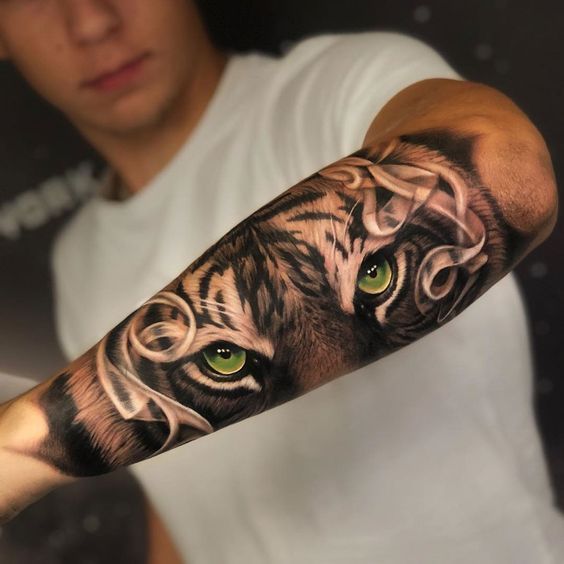
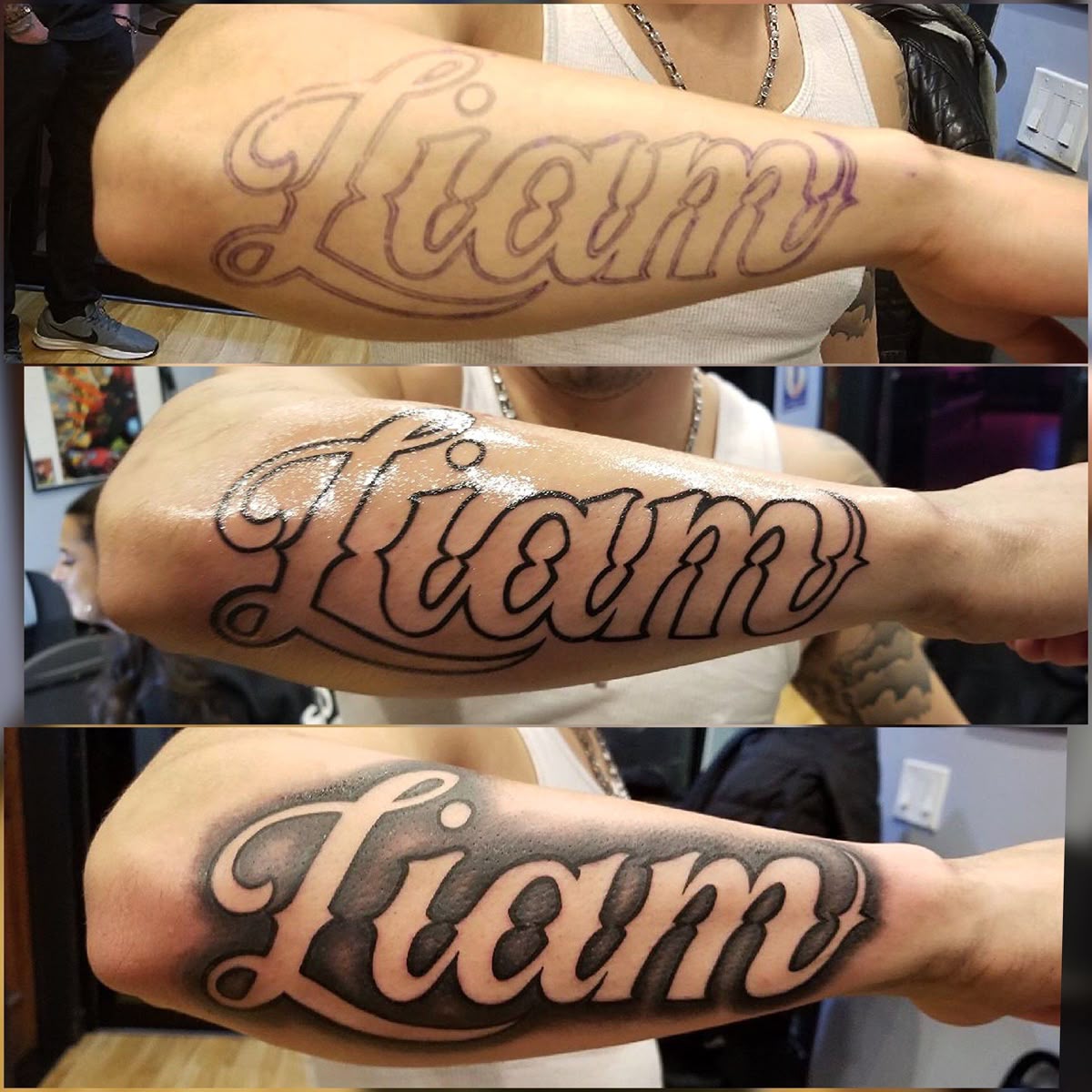
The forearm offers an appealing balance: you can show the tattoo when you want to and cover it completely with long sleeves when necessary.Its relatively flat surface accommodates everything from fine detail to bold compositions and helps the finished design read clearly.
Pain is generally moderate, although it can become sharper closer to the wrist where the skin lies near the bone. The area is also fairly easy to care for and experiences less friction from clothing, which can make healing more manageable.
No. 2: Upper Arm
The upper arm provides a broad canvas for larger designs, while the movement of the muscles can add dimension to the tattoo. The curve around the deltoid is particularly versatile and can support a wide range of compositions.
It is generally considered one of the less painful placements and is often recommended for a first tattoo.Although it may show in short sleeves, it is easy to conceal in formal settings, making it a popular choice among working adults.
No. 3: Shoulder Blade
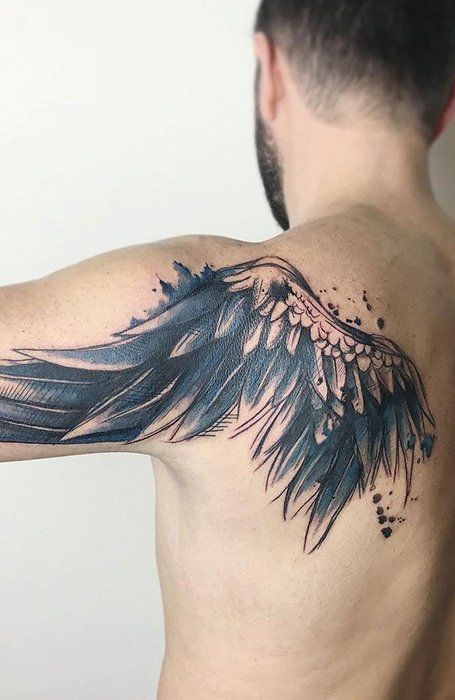
The shoulder blade works well for dimensional designs that follow the body’s structure, making it popular with clients seeking an artistic piece. Because a design can extend across the back, this placement also leaves room for future additions.
Holding the required position can be tiring during a long session. The area is also difficult to reach during aftercare, so you may need help from a family member or friend or an applicator designed for hard-to-reach areas.
No. 4: Ankle
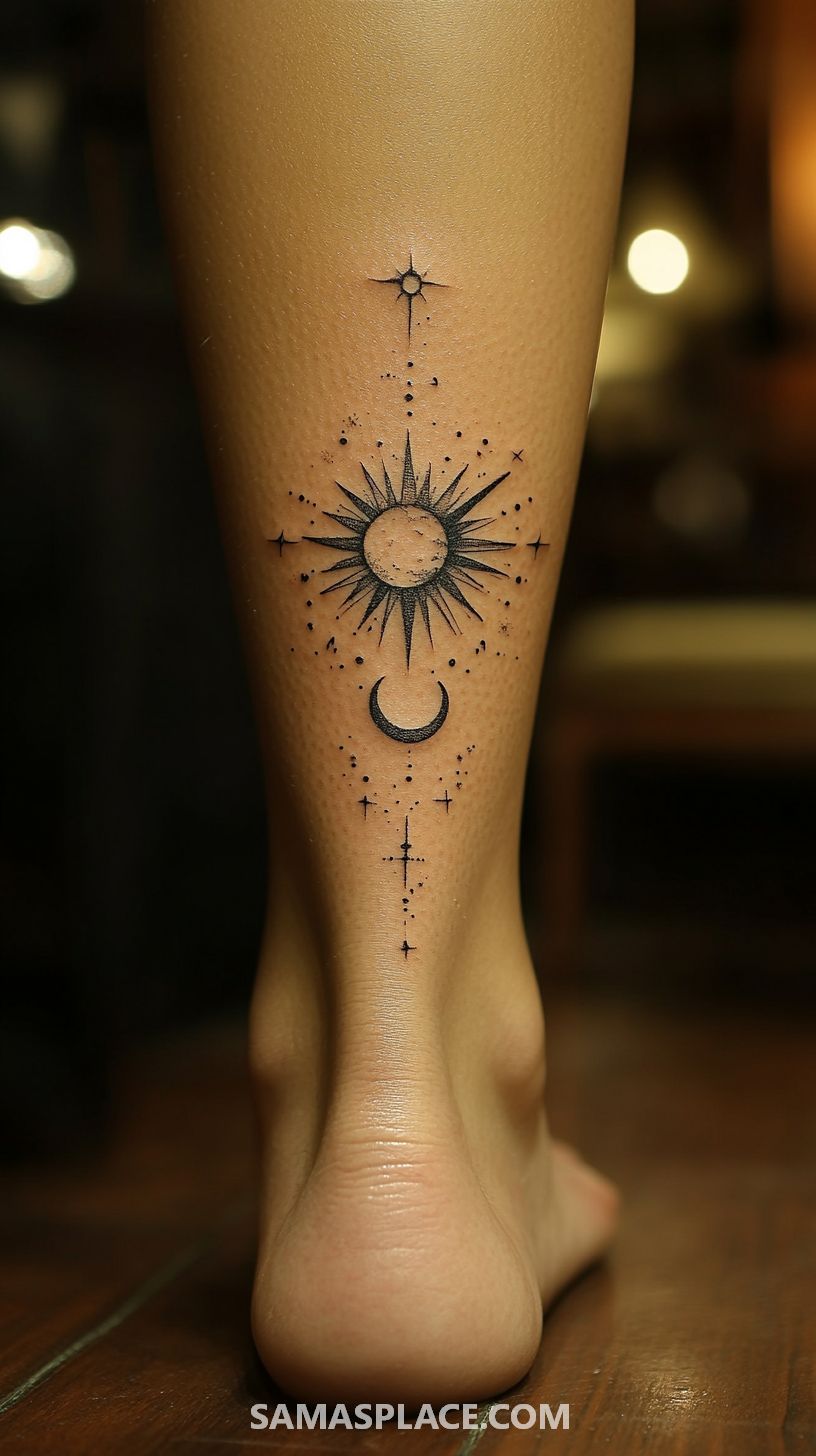
The ankle is a popular location for smaller tattoos. It is especially popular among women and can be covered easily with socks or shoes, making it an approachable option for people whose workplaces restrict visible tattoos.
Because the skin is thin and close to the bone, ankle tattoos can be quite painful, but their smaller size often means a shorter session. Since the ankle moves frequently, discuss line weight and other design choices with your artist to help the tattoo age clearly.
No. 5: Chest
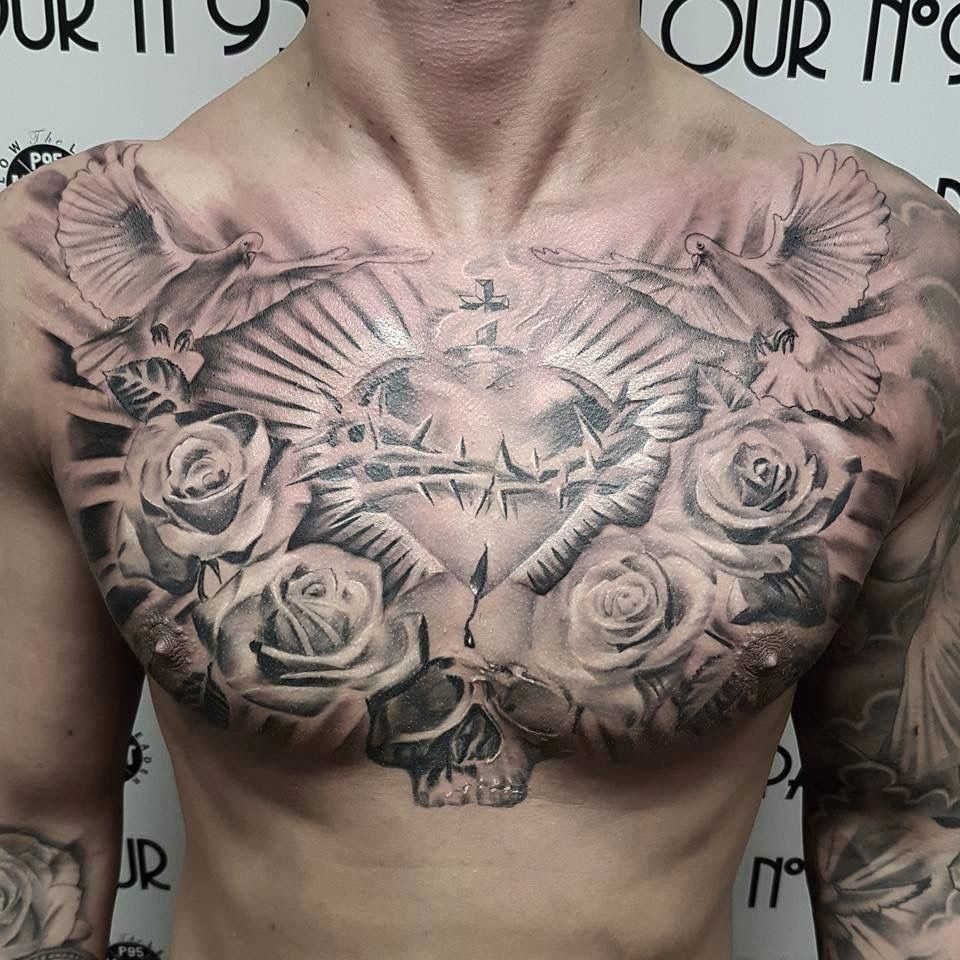
The chest can accommodate a bold design and is especially popular among men. Because it lies close to the heart, many people choose this placement for tattoos representing deeply held feelings, loved ones, or personal beliefs.
Areas near the sternum and collarbone can be particularly painful, and the skin moves as you breathe, so it helps to be prepared for a demanding session.
What to Know About Different Tattoo Placements
Understanding the qualities of each popular placement will help you choose the area that best fits your needs. Comparing typical pain and visibility can lead to a more satisfying result.
The following sections explain what to expect from each area and what to consider during aftercare.
Choosing an Arm Placement
The arm combines flat and curved surfaces, so the appearance of a design changes with its exact position. On the forearm, the skin becomes thinner toward the wrist, which also affects how pain is experienced.
The muscle around the deltoid usually makes the outer upper arm less painful, while the more sensitive inner arm may feel considerably sharper.The inner elbow has thin skin and can be very sensitive, so people with a low pain tolerance may prefer another location.
Choosing the Back or Shoulder Area
A back or shoulder-blade tattoo may require you to hold the same position for a long time. Leaning forward can strain the neck and lower back, so taking breaks during the session is important.
A design positioned with the shoulder blade’s range of motion in mind can minimize distortion as the skin stretches. Discuss the orientation and scale carefully with your artist.
Choosing the Ankle or Lower Leg
The ankle bears weight while walking and rubs against footwear, so it may heal more slowly than some other areas. Swelling in the lower leg can also take longer to subside.
A design that follows the ankle bone can look striking, but the area around the anklebone is often intensely painful, so prepare accordingly.Frequent contact with socks can irritate the area. During healing, choose loose-fitting socks and minimize friction whenever possible.
What to Consider When Choosing Tattoo Placement
Choosing a tattoo placement requires balancing several factors. Your priorities will depend on your values and lifestyle, but the goal is a decision you will remain comfortable with over time.
Use the experiences of other tattooed people as a reference while considering the following criteria.
Social and Professional Considerations
Social acceptance of tattoos is gradually increasing in Japan, but restrictions still exist in some occupations and industries. Visible tattoos may affect hiring or advancement, particularly in customer-facing roles and the financial sector.
Choosing a placement that can be covered completely by long sleeves or trousers can reduce potential career impact while still allowing you to enjoy your tattoo.Consider your future plans carefully before making a final decision.
| Placement | Ease of Concealment | Risk of Workplace Restrictions |
|---|---|---|
| Back / Shoulder Blade | Very High | Low |
| Upper Arm | High | Low |
| Forearm | Moderate | Moderate |
| Wrist / Back of Hand | Low | High |
How Session Length and Placement Affect Pain
Pain varies considerably from person to person, but some placements are consistently more sensitive than others. Starting with a relatively manageable area can help make a first tattoo a more positive experience.
Areas close to bone or with many nerve endings tend to hurt more. Long sessions can also be physically taxing, so do not hesitate to ask for breaks.
Matching the Design to the Placement
The relationship between a design and its placement has a major effect on the finished piece. Straight, geometric work often suits flatter areas, while curved or dimensional imagery can use the body’s contours to greater effect.
Lettering is usually best placed on an area with less movement to reduce distortion as the skin stretches.Also consider changes in muscle mass and body shape over time when choosing a placement that will continue to complement the design.
For Your First Tattoo, Choose a Placement with the Future in Mind
Many people decide to add more work after their first tattoo. Thinking ahead about where future pieces might go can make it easier to create a balanced, cohesive collection.
Here are several ways to plan for a tattoo collection you can enjoy over the long term.
Choosing the Right Placement for a First Tattoo
For a first tattoo, weigh pain, ease of aftercare, and potential social impact together. Many experienced clients recommend the upper arm or shoulder-blade area because they offer a practical balance of these factors.
A good first experience can build confidence and make you more comfortable considering another tattoo.A difficult session or healing problem, by contrast, may leave a negative impression, so choose the placement carefully.

Planning a Design That Can Expand Over Time
If you plan to cover multiple areas, a consistent theme or style will help the collection feel unified. Treat the first piece as a starting point and consider how it could connect visually with future work.
A forearm piece, for example, can later extend to the upper arm as a cohesive sleeve. A design beginning on the back can flow naturally toward the shoulders or lower back to form a larger composition.
Long-Term Maintenance Planning
If you have tattoos in several areas, each placement may need a different maintenance plan. Sun-exposed areas may eventually require touch-ups, while frequent friction can cause some tattoos to fade faster.
Understanding the potential long-term cost and time involved in maintenance will help you plan your collection responsibly.Consistent care can also help keep your tattoos looking their best.
Summary
The forearm and upper arm rank among the most popular tattoo placements, reflecting the value many people place on both concealment and design flexibility. Understanding the qualities of each area will help you identify the best fit for you.
Popularity should not be the only deciding factor. Consider your lifestyle, occupation, and future plans alongside pain, visibility, and how well the design suits the area, then choose a placement that will satisfy you over the long term.
Planning ahead—from your first tattoo to possible future additions—can result in a more harmonious body of work. Take your time, speak with an experienced artist, and begin your tattoo journey with confidence.